Table of Contents
ToggleWhy Parrots Pluck Feathers + How to Help
Introduction to Feather Plucking in Parrots
What is Feather Plucking?
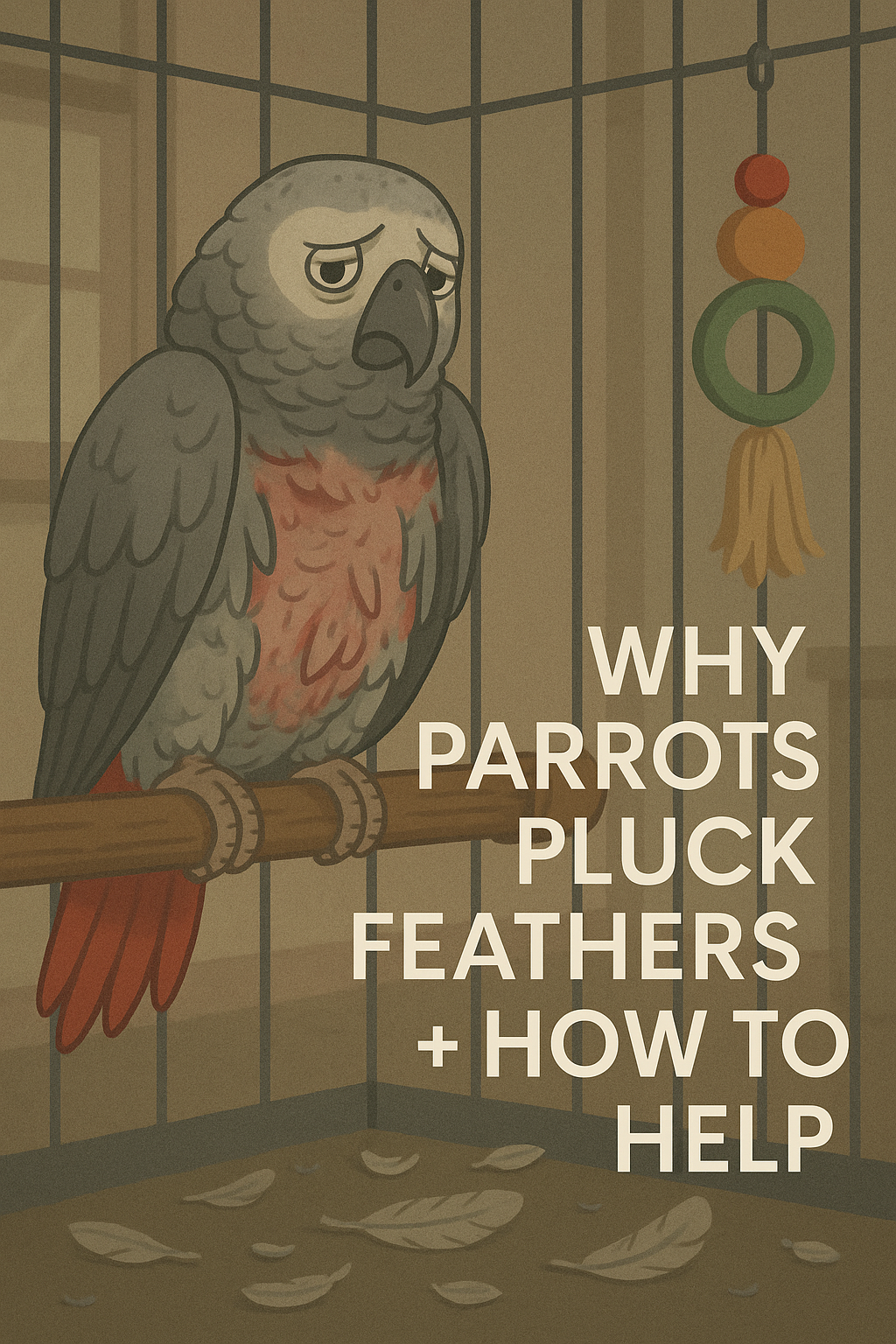
Feather plucking, also known as feather picking or feather destructive behavior, is a condition where parrots compulsively pull out, chew, or damage their own feathers. It’s not just a matter of grooming gone wrong—this is a serious behavioral or medical issue that often signals something deeper going on with your feathered friend. Parrots are known for their brilliant plumage, and when they start tearing it apart, it’s not just alarming—it’s heartbreaking. This behavior might affect a small patch or become so severe that it leads to bald spots, open wounds, or even self-mutilation.
One of the challenges in dealing with feather plucking is its complexity. Unlike a simple illness with one clear treatment, this issue can have many different roots. It’s like a tangled knot that you have to slowly and carefully unravel. Sometimes it’s caused by boredom, other times by an allergic reaction, or even something emotional like anxiety. Parrots are intelligent, sensitive creatures. Just like humans, they feel stress, discomfort, and loneliness. And when they don’t have a voice to express themselves, their bodies become the outlet—often through damaging behaviors like feather plucking.
It’s also important to distinguish feather plucking from molting. Parrots naturally shed feathers once or twice a year in a process called molting. During molting, old feathers fall out and are replaced with new ones. But if your bird is tearing out feathers with its beak, especially from the chest, wings, or back, and especially outside of molting season, it’s probably not molting—it’s feather plucking.
Why It’s a Major Concern for Parrot Owners
When your parrot starts feather plucking, it’s a big red flag. It’s like a silent scream for help. This behavior doesn’t just affect your bird’s appearance—it can lead to serious health problems. Feather plucking can damage the skin, lead to infections, and even cause permanent feather loss. In severe cases, parrots might start plucking so aggressively that they cause bleeding or begin mutilating the underlying skin tissue.
But beyond the physical harm, the emotional and psychological effects can be just as damaging. Think of it this way: parrots are naturally social, active, and intelligent animals. If they’re plucking, they’re often in distress. A plucking parrot is likely unhappy, anxious, or sick—and that’s something no loving bird owner wants to see.
Feather plucking is one of the most common behavioral issues in captive parrots, especially those kept as single pets without adequate interaction or stimulation. That’s why it’s critical to recognize it early and take action. The longer the behavior continues, the harder it can be to reverse. Some birds develop lifelong habits, even after the initial cause is removed. So, whether your parrot is just starting to show signs or has been plucking for a while, it’s time to dive in and figure out what’s going on—and how to help.
Common Causes of Feather Plucking
Medical Issues and Health-Related Causes
Before jumping to conclusions that your parrot is just acting out, it’s crucial to rule out medical causes. Feather plucking is often the symptom of something deeper, such as an undiagnosed illness or physical discomfort. Some of the most common health-related causes include:
Parasites: Mites or lice can irritate your bird’s skin, prompting it to scratch and pluck in an attempt to relieve the discomfort.
Skin infections: Bacterial, fungal, or yeast infections can lead to itching or burning sensations, which cause the bird to pick at its feathers.
Pain or discomfort: If a parrot is experiencing internal pain (from an organ issue, for example), it might pluck the feathers over the affected area, similar to how humans rub a sore spot.
Hormonal imbalances: Birds going through hormonal changes might start plucking due to frustration or discomfort, especially if they are sexually frustrated or not receiving adequate outlets for hormonal behaviors.
Toxins: Exposure to chemicals (like air fresheners, nonstick cookware fumes, or cleaning agents) can affect a parrot’s health and lead to plucking.
In these cases, feather plucking isn’t a behavior problem—it’s a medical one. That’s why the first step should always be a visit to an avian vet. They can run the necessary tests—bloodwork, cultures, skin scrapings—and help determine if there’s a treatable condition at play.
Nutritional Deficiencies and Poor Diet
Just like people, parrots need a balanced diet to thrive. If your bird’s diet consists mostly of seeds or lacks essential vitamins and minerals, you might be setting the stage for feather plucking. Poor nutrition affects feather health and can make birds feel unwell, itchy, or irritable.
Lack of vitamin A: One of the most common deficiencies in parrots. Vitamin A supports skin and feather health. A deficiency can lead to dry, flaky skin and irritated feather follicles.
Low calcium or minerals: Can cause nerve problems or poor feather regrowth.
Obesity or malnutrition: Birds that are overweight or undernourished often develop behavioral issues, including feather destruction.
An ideal parrot diet includes a high-quality pellet base, fresh fruits, leafy greens, vegetables, and a variety of healthy grains and legumes. Avoid giving too many seeds—they’re like junk food for birds. Also, make sure your bird gets access to clean, fresh water daily.
By improving your parrot’s diet, you may see an improvement in feather condition and a reduction in plucking. Nutrition is the foundation of health. When your bird feels good inside, it’s less likely to express distress through its feathers.
Psychological Triggers – Stress and Boredom
Parrots are incredibly intelligent animals. In the wild, they spend their days foraging, flying long distances, interacting with their flock, and solving problems. But in captivity, many parrots are confined to a small cage with little to no stimulation. Over time, this lack of activity can lead to boredom, frustration, and chronic stress—all of which are major triggers for feather plucking.
Imagine being stuck in a room with no books, TV, phone, or human interaction. Wouldn’t you start to go a little crazy too? That’s essentially what a bored parrot experiences. Without toys, puzzles, or new experiences, parrots turn inward. And when they don’t have an outlet for their energy and intelligence, they start to express that frustration physically—by plucking their feathers.
Other stressful situations that can lead to plucking include:
A change in environment or routine
The introduction of a new pet or family member
Loud noises or chaotic surroundings
Being left alone for extended periods
Parrots are also creatures of habit, and sudden changes—like moving their cage, changing their food, or even switching their favorite toy—can trigger anxiety. Stress isn’t just an emotional issue in birds—it can manifest in very real, very physical ways, like feather plucking.
The good news? Boredom and stress are fixable with the right attention and care. But first, you need to recognize the signs and start making changes that cater to your bird’s emotional and mental needs.
Environmental Factors and Habitat Concerns
The space your parrot lives in has a massive impact on its well-being. Cage size, location, lighting, cleanliness, and even the materials in or around the cage can contribute to feather plucking. In some cases, the problem isn’t your bird—it’s their environment.
Parrots need a clean, well-ventilated, appropriately sized cage where they can stretch their wings and explore. A cage that’s too small can make them feel trapped, while one that’s too crowded with perches or toys can lead to sensory overload. Proper lighting, including access to natural light or full-spectrum UV bulbs, is also critical to regulating mood and health.
Other environmental triggers include:
Dry air: Can lead to skin irritation. Consider using a humidifier if you live in a dry climate.
Exposure to smoke, fumes, or strong scents: These can irritate your parrot’s respiratory system and skin.
Improper perching materials: Hard or uncomfortable perches can stress the bird or cause foot pain, indirectly leading to plucking as a coping mechanism.
To prevent feather plucking, aim to create a space that mimics your bird’s natural environment as closely as possible. That means plenty of toys, safe materials, space to move, and a predictable, peaceful atmosphere.
Behavioral and Emotional Factors
Separation Anxiety and Loneliness
Parrots are flock animals by nature. In the wild, they live in close-knit communities, flying together, grooming each other, and communicating constantly. When kept in captivity—especially as a single pet—they can develop intense bonds with their human caregivers. While this bond can be beautiful, it can also be a double-edged sword. When a parrot becomes overly attached to a single person and that person leaves, whether it’s for work, errands, or vacation, the bird can spiral into anxiety and loneliness. That’s where feather plucking often begins.
Separation anxiety in parrots is real and very serious. Some signs include:
Screaming or calling excessively when you leave the room
Refusing to eat when alone
Destructive behavior or increased aggression
Feather plucking as a way to cope with distress
Loneliness isn’t just emotional—it can cause physical stress that lowers the immune system and exacerbates existing health issues. This is why many bird behaviorists recommend that highly social parrots, such as African Greys or Cockatoos, either live with a companion bird or receive consistent, daily interaction with their human flock.
Combating separation anxiety requires a combination of routine, stimulation, and gradual training. You can teach your bird to be more independent using positive reinforcement, leave interactive toys when you’re away, and ensure that your comings and goings are low-drama to avoid creating stress peaks. If possible, consider enriching their social environment with another compatible bird or trusted household member who can help share the attention load.
Lack of Mental Stimulation and Toys
A bored parrot is a destructive parrot. These birds are problem-solvers, curious by nature, and constantly looking for something to do. In the wild, parrots forage for food for hours, manipulate branches, interact with their environment, and fly miles each day. In a cage, those instincts are stifled—and if there’s nothing to stimulate them mentally, they’ll create their own form of entertainment, often through feather plucking.
Mental stimulation is not optional. It’s as essential as food and water. Here are some ways a lack of stimulation manifests:
Repetitive pacing or head bobbing
Screaming out of boredom
Chewing on cage bars or furniture
Feather destruction and over-grooming
The solution? Toys. And not just any toys—interactive, rotating, foraging toys. Your bird needs variety. Rotate their toys weekly so nothing becomes too familiar. Use puzzle feeders, mirrors, shreddable items, and things that can be pulled apart safely. You can even hide treats in boxes or under paper to encourage foraging behavior.
Don’t underestimate the power of interaction, either. Teach your bird simple tricks, engage in daily training sessions, or even play music and dance together. Keeping your parrot mentally active reduces stress and minimizes the chances they’ll resort to plucking as an outlet.
Bonding Problems with Humans or Other Birds
Not all birds bond easily. Some may have had traumatic pasts, poor socialization, or just don’t mesh well with their current environment or companions. A parrot that feels misunderstood or mistreated—intentionally or not—can begin to self-destruct. Feather plucking becomes a substitute for comfort or even a form of self-punishment.
For example, if a bird is rehomed multiple times or was never properly hand-raised, they might not trust humans. Without that bond, they’re left feeling isolated. Similarly, if housed with aggressive or incompatible birds, the stress of social tension can lead to anxiety-related behaviors like feather plucking.
To build a bond:
Spend time near the cage talking softly
Offer treats from your hand to build trust
Learn your bird’s body language and avoid overwhelming them
Be consistent with daily interaction
Birds that lack a proper bond, either with their human or avian companions, need patience and understanding. Establishing trust can take weeks or months, but once formed, it becomes a solid foundation for reducing behavioral problems, including feather plucking.
Diagnosing the Root Cause
Importance of Veterinary Evaluation
When feather plucking first appears, the first step should never be a guess—it should be a trip to a qualified avian veterinarian. Self-diagnosing can lead to wasted time and worsening symptoms. A proper vet evaluation can determine if the issue is medical, behavioral, or a combination of both.
Your avian vet might perform:
Physical exam: To check for signs of infection, parasites, or injury
Blood tests: To check for organ function, hormonal imbalances, or vitamin deficiencies
Skin scrapings or feather cultures: To detect fungal or bacterial infections
X-rays: To identify internal injuries or abnormalities
A professional diagnosis helps you stop treating the symptoms and start solving the problem. It also rules out dangerous conditions like psittacine beak and feather disease (PBFD), which is contagious and potentially fatal.
Remember, not all vets are avian specialists. Always go to one with bird experience—they know how to handle parrots gently and understand the subtle cues that general veterinarians might miss.
Observing Behavior and Patterns
While a vet handles the medical side, you, as the owner, are crucial in observing your bird’s daily behavior. You live with your parrot; you know their routines, habits, and moods. Your insights can provide the vet or behaviorist with valuable clues.
Keep a behavior log that includes:
When the plucking occurs (time of day, after certain events)
Areas of the body being plucked
Changes in appetite, droppings, or vocalization
Triggers like loud noises, new environments, or absence of a person
Sometimes, patterns emerge. For instance, if a parrot only plucks when left alone or during specific times of the day, this could point toward anxiety or boredom. If the behavior started after a change in diet or the introduction of a new cleaning product, it might be environmental or allergenic.
Documenting behavior is not just helpful for diagnosis—it’s also vital for tracking progress. As you make changes to improve your bird’s life, you can monitor how those changes affect their plucking behavior.
Testing for Allergies and Infections
Birds, like people, can have allergies. These might be food-related or environmental. Common allergens include:
Dust from seeds or pellets
Certain fruits and vegetables
Mold from improperly stored food
Dust mites in bedding
Household cleaners and air fresheners
Testing for allergies can be done through elimination diets or blood tests, though the latter is less common in avian care. If you suspect an environmental cause, begin by removing suspected allergens one at a time and observe the effect. Clean the cage with bird-safe products, ensure proper ventilation, and avoid using strong scents or aerosol sprays around your bird.
Infections can also be a hidden trigger. Bacterial or fungal infections might cause skin irritation, leading your parrot to pluck in response. These are only detectable through lab tests—another reason to get your vet involved from the start.
Effective Treatment Strategies
Addressing Underlying Medical Conditions
Once you’ve identified a medical cause for your parrot’s feather plucking, prompt and consistent treatment is key. Whether it’s an infection, hormonal imbalance, or nutritional deficiency, resolving the root medical issue can often lead to significant improvement—or even complete cessation—of plucking behavior.
Here’s how to handle common medical scenarios:
Parasites or infections: These are typically treated with prescribed antifungal, antibacterial, or antiparasitic medications. Be sure to follow your vet’s dosing instructions carefully and complete the full course of treatment.
Hormonal issues: These can be managed through environmental and dietary changes. In some cases, hormone therapy or implant options may be recommended to reduce excessive hormonal behaviors, especially during breeding season.
Vitamin deficiencies: Introducing a balanced, vet-approved pellet-based diet and fresh produce often resolves nutritional problems. Your vet may also prescribe a specific supplement.
The key here is consistency and patience. Medical treatments take time to show results, especially in birds that have developed a strong habit of plucking. While the cause may be treated, the behavior could linger as a learned response—so a holistic, multi-step approach is essential.
Also, don’t overlook follow-up visits. Regular check-ins with your avian vet can track your bird’s progress, adjust treatments, and address any new symptoms that may arise during recovery.
Improving Diet and Nutritional Intake
Let’s talk food—because what your parrot eats directly affects its health, mood, feather quality, and behavior. A poor diet is one of the most overlooked causes of feather plucking, but thankfully, it’s also one of the easiest to correct.
Start by transitioning your bird from a seed-heavy diet to a high-quality pellet base. Seeds are high in fat and lack many essential vitamins and minerals. While seeds can be part of the diet, they should not be the main course. Instead, offer a mix of:
Pellets: These are specially formulated to provide balanced nutrition.
Fresh fruits: Apples, papaya, mango, berries (in moderation due to sugar content).
Vegetables: Dark leafy greens (kale, spinach), carrots, broccoli, bell peppers, squash.
Whole grains: Brown rice, quinoa, oats, barley.
Avoid feeding avocados, chocolate, caffeine, alcohol, onions, or garlic, as these are toxic to birds. Clean water should always be available and changed daily.
Consider adding occasional supplements (as directed by your vet), such as Omega-3 oils, which can improve feather quality and reduce skin dryness. A proper diet not only improves your bird’s physical health—it boosts their immune system, enhances mood, and supports feather regrowth.
If your bird resists dietary changes, introduce new foods slowly. Mix them with favorites, chop fruits and veggies finely, or try different textures (steamed vs raw). Persistence pays off.
Enhancing Environmental Enrichment
Your parrot’s environment should feel like a stimulating adventure park—not a jail cell. One of the fastest ways to reverse feather plucking behaviors is to enrich your bird’s space with activities that keep it mentally and physically busy.
Start with cage setup. The cage should be:
Large enough to allow wing extension and movement
Filled with natural wooden perches, ropes, and swings
Located in a social area (but not too noisy), like near a window or where people gather
Add toys galore. Use foraging toys, puzzle feeders, shreddable paper, bells, ropes, and treat-dispensing devices. Rotate toys weekly to keep your bird curious and engaged. If your parrot likes destroying things, that’s okay—destructive play is healthy when it’s aimed at the right objects, not their own feathers.
Also, ensure out-of-cage time. Parrots need to stretch, explore, and fly if possible. A play gym or tree stand can become a daily hangout spot. This gives your bird a chance to move, bond, and burn off excess energy.
Other ways to enhance the environment include:
Playing music or nature sounds
Watching bird-safe videos together
Teaching tricks and commands
Offering cardboard or paper for safe shredding
Remember, a busy bird is a happy bird. When they have enough to do, they’re far less likely to turn to destructive habits like feather plucking.
Preventing Feather Plucking Recurrence
Creating a Consistent Routine
Parrots thrive on predictability. A consistent daily routine can provide your bird with the structure and stability it needs to feel secure. Inconsistent schedules can cause stress, and stress often leads to… you guessed it—feather plucking.
Here’s a sample routine you can model:
Morning: Open cage, social interaction, feeding, fresh water
Midday: Playtime, music, supervised out-of-cage activity
Afternoon: Quiet time, light training or enrichment
Evening: Wind down, pre-bedtime feeding, lights out at a set time
Lights and sleep are also crucial. Parrots need 10–12 hours of uninterrupted, dark sleep each night. Use a dark, quiet room or a sleep cage if your home is too busy. Sleep deprivation can lead to irritability, hormonal imbalances, and—you guessed it again—feather plucking.
By creating a reliable schedule, you minimize stressors and help your bird anticipate what’s next. This sense of control and predictability plays a powerful role in behavioral stability.
Reinforcing Positive Behaviors
Training is not just for dogs—it works wonders for parrots, too. Positive reinforcement training builds trust, boosts confidence, and teaches your bird to replace bad habits with better ones.
If your parrot has developed a habit of plucking, try redirecting that energy with training commands like:
Step-up or step-down
Target training with a stick
Simple tricks (waving, turning, retrieving)
Reward these behaviors with treats, praise, or head scratches—whatever motivates your bird. Over time, they’ll learn that plucking brings no reward, but interacting with you does.
Also, be mindful not to unintentionally reinforce plucking. For instance, if you react dramatically every time your parrot plucks, you may be giving it the attention it craves—even if it’s negative attention. Instead, try ignoring the behavior and redirecting focus toward a toy or training task.
Consistency is key. Celebrate every little win, and avoid punishments—they only increase anxiety and worsen behavioral issues.
Conclusion: Patience, Care, and Compassion Are Key
Feather plucking can be an overwhelming and heartbreaking issue, but it’s not a death sentence. Whether it’s caused by medical problems, emotional distress, or a boring environment, the good news is that it’s treatable—with time, effort, and compassion.
Start with a trip to an avian vet to rule out medical causes. Then take a long, honest look at your bird’s environment, diet, and emotional needs. Small changes—like a better cage setup, a healthier diet, new toys, and a structured routine—can have a massive impact over time.
Remember: your parrot isn’t trying to be difficult. Plucking is a symptom, not the problem. Approach it like a puzzle to be solved, not a behavior to be punished. With consistency, patience, and love, you can help your feathered friend heal—and maybe even regrow their beautiful plumage.
FAQs
1. Can feathers grow back after plucking?
Yes, if the feather follicles haven’t been permanently damaged. With proper treatment and reduced stress, many parrots experience partial or full feather regrowth.
2. Is feather plucking contagious?
No, feather plucking itself is not contagious, but some underlying causes (like mites or infections) can spread between birds.
3. Should I use a collar or cone to stop my bird from plucking?
Only under a vet’s direction. Collars or cones are temporary solutions that prevent damage but don’t address the root cause.
4. How long does it take to stop feather plucking?
It depends on the cause. Some birds improve in weeks; others may take months or longer. Consistency in treatment and care is crucial.
5. Can I use natural remedies or essential oils?
Always consult an avian vet first. Many essential oils are toxic to birds. Safe, natural solutions must be used cautiously and professionally guided.